
Retirement That Feels Like You Plan the Day, Not Just the Dollars
Updated: May 19
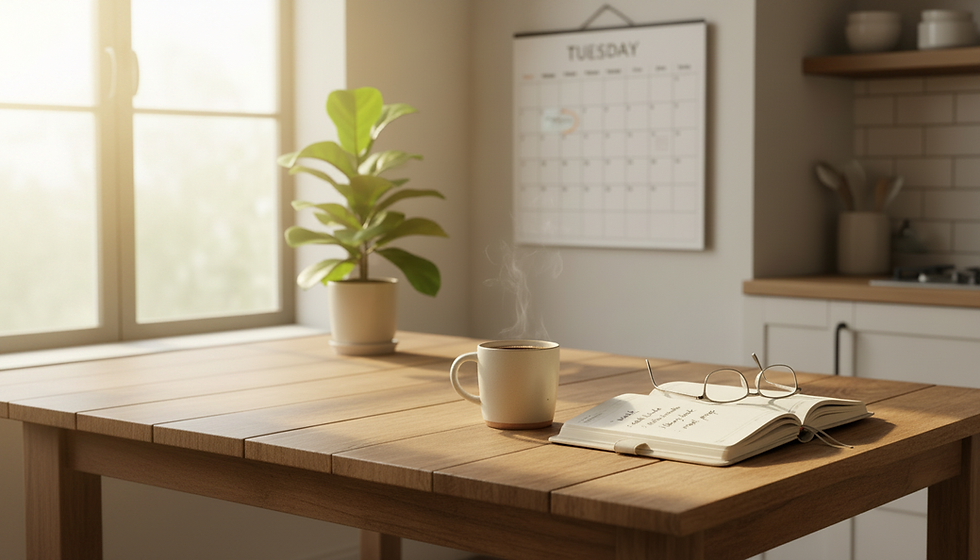
What will your days feel like when work stops setting the pace? Many of us plan for retirement with numbers and timelines. Helpful, yes. But here’s the real road block: what does an ordinary Tuesday look like when the calendar quiets down? You don’t need a perfect script with every hour filled. Just a clear picture you can step into.
The clearer that picture gets, the easier it is to build a retirement that feels steady, rewarding, and genuinely yours. This way you get retirement that feels like you plan the day, not Just the dollars.
Name your purpose
One of the biggest shifts in retirement isn’t financial—it’s personal. Work has quietly shaped your identity for years—your routine, your relationships, your sense of progress. When that scaffolding falls away, the freedom can feel great—and disorienting—if nothing meaningful steps in.
Purpose doesn’t have to mean a second career or a calendar packed to the edges. It can be simple: a reason to feel connected to your days. For one person, that’s mentoring. For others? Volunteering, gardening, painting, travel, or time with grandkids. Rest matters. So does freedom. But too much open time? It can leave you feeling untethered. A well‑lived retirement usually has a center. Something that makes days feel worthwhile, not interchangeable.
Start with the interests that stuck with you even during busy seasons. Those are clues:
Activities you still made time for when life was full
Causes or community work you’ve wanted to support more deeply
Skills or hobbies you paused while building a career and/or raising a family
Experiences that reliably leave you energized or give you a sense of calm
And purpose can grow from fresh ground. Retirement opens space for new things: tutoring, woodworking, local history groups, fitness classes, part‑time consulting. Picture waking up with a reason to engage. Suddenly the future feels real. Planning gets easier because your goals connect to daily life—not just a date on a calendar.
Plan an ordinary Tuesday
Once you’re thinking seriously about retirement, zoom in. What does a regular Tuesday look like when work isn’t running the show?
Start with the building blocks. How do you want mornings to feel? Slow coffee, a book, a walk. Or up and out early—gym, a volunteer shift, quick errands. What about afternoons—more social or more solo? Evenings—quiet wind‑down or lively classes?
Aim for balance. You don’t need wall‑to‑wall plans to experience meaning. What tends to work? A mix of structure and air. Enough routine for momentum. Enough flexibility to enjoy your freedom.
Think across a few simple categories:
Personal routines: movement, reading, quiet time
Social time: friends, family, community groups
Practical tasks: errands, household projects, appointments
Enjoyable pursuits: the things that make a week feel interesting
Create a loose weekly frame
Boredom isn’t an enemy. But too much aimlessness can get discouraging. Many people do better with a soft framework for the week:
A couple of mornings for exercise
An afternoon for volunteering
A standing appointment fir lunch with friends
One mostly open day—on purpose
My wife and I have the perfect phrase: A little of this, a little of that, and not a lot of one thing.
See your days, then decide the rest
When you can see your daily life clearly, other choices click into place. Maybe you want to live closer to family. Maybe you’ll join a community with easy access to trails or classes. Maybe your budget flexes to support travel and social plans. Daily life is where retirement gets real. It’s worth your attention.
Mind your energy
Even if you feel strong and active now, consider how energy shifts over time. Let your routine support you, not drain you. Space out commitments. Build in down time after social days. Choose activities that engage without exhausting you. You deserve a rhythm that fits.
Prepare for the feelings
Retirement is a reward in many ways, and it’s also a challenging transition which may include unexpected elements. Work has provided structure, affirmation, and familiarity for years. Leaving that behind can stir up a mix: relief, excitement, uncertainty—even grief. Naming that truth helps.
Social connection matters more than we realize. Many of us don’t notice how much casual contact through work gives us—quick chats, shared projects, a known place to belong—until it’s gone. In retirement, you may need to rebuild those ties with intention.
Here’s a steadying shortlist:
Stay connected with friends, family, and community groups
Create routines that build confidence and consistency
Leave room for rest without sliding into isolation
Stay open to an identity that reaches beyond a job title
Let it evolve
Give yourself permission to change. The version of retirement that sounds right at sixty might not fit at seventy. Interests shift. Energy shifts. Priorities shift. Good plans bend with you. That’s not failure—it’s life.
The more honestly you consider the emotional side, the stronger your overall plan becomes. You’re not just preparing for what you’ll do. You’re preparing for how you want to feel. That’s the point.
Ed Zinkiewicz
Your Aging-in-Life Strategist
Make it real
A clearer retirement starts with a clearer picture of how you want life to feel—and that’s where Ed Zinkiewicz can help. Ready for a customized, practical start? Book a free retirement coaching session, and turn broad ideas into next steps that fit the life you want to build. No pressure. Just momentum.
Comments